
For most recreational anglers, the best shore fishing in Panama City Beach starts at Russell-Fields City Pier, M.B. Miller County Pier, or St. Andrews State Park. Before your line hits the water, confirm you have the right Florida license and check current FWC species rules. Spring through fall brings the strongest shore action, though winter still rewards patient anglers working structure.
TL;DR:
- Fishing from piers provides easy access to bait, tackle, restrooms, and rentals, making it ideal for families or short visits without full gear.
- The best seasonal targets are cobia and mackerel in spring, bonito and bluefish in summer, redfish and trout in fall, and flounder and sheepshead in winter.
- Shore anglers must confirm current licensing requirements, with residents using free shoreline licenses and visitors needing short-term nonresident licenses costing between $17 and $47.
- Fish generally bite closer to shore in spring and fall when water temperatures are moderate, while summer and winter activity depends on species and weather conditions.
- Safety precautions include avoiding slick rocks at jetties, being mindful of rip currents, and respecting posted warnings to prevent accidents.
Table of Contents
- Best Shore Fishing Spots in Panama City Beach
- What’s Biting by Season in Panama City Beach
- Pier, Surf, or Jetty: Which Shore Mode Fits You?
- Licenses and Regulations for Shore Anglers
- Gear and Bait That Work for PCB Shore Fishing
- Planning Your Shore Fishing Trip: Access and Fees
- Local Tips for Shore Fishing in Panama City Beach
- Catch and Release: Fishing Responsibly From Shore
- Common Hazards When Shore Fishing in Panama City Beach
- How Weather Shapes Shore Fishing Throughout the Year
- What a Good Morning of Shore Fishing Looks Like
- Stay Close to the Water You Came to Fish
- Sources
- FAQ
Best Shore Fishing Spots in Panama City Beach
You have four realistic starting points once you decide to fish from shore in Panama City Beach, and each one serves a different kind of trip.
Russell-Fields City Pier sits right on the main tourist strip and gives you a wide, easy platform with no boat required. It’s a solid pick if you want to fish for an hour or two between beach time without hauling gear far. You’ll find a bait shop, restrooms, and rod rentals on site, which makes it forgiving for anglers who show up without a full kit.
M.B. Miller County Pier stretches roughly 1,500 feet into the Gulf, one of the longer structures on this stretch of coast. That extra length puts you over deeper water and closer to the species that hang near drop-offs, though it also means more foot traffic and a longer walk back with a cooler full of fish.
St. Andrews State Park is where serious shore anglers tend to end up. The park offers surf fishing, a rock jetty at the pass, two piers, and Grand Lagoon access all in one property, and it lists catches ranging from Spanish mackerel to cobia and flounder. The jetty puts you next to moving inlet water where bigger fish stage, while the calmer Grand Lagoon side suits kids or anyone easing into surf fishing for the first time.
Beyond those three anchor spots, Bay County maintains dozens of public beach-access points along Front Beach Road and Thomas Drive, many with boardwalks and mobility matting that make hauling coolers and rod carriers manageable. A few practical notes on choosing among them:
- Pick a pier when you want bait, tackle, and restrooms without planning ahead.
- Pick St. Andrews when you want species variety and don’t mind a modest state park entry fee.
- Pick a public beach-access point when you want free, low-key surf fishing close to your rental.
- Pick Grand Lagoon when you’re fishing with young kids or first-timers who need calmer water.
What’s Biting by Season in Panama City Beach
Shore fishing here follows a fairly predictable rhythm, and knowing the calendar saves you from casting into dead water.

Spring kicks things off with the cobia migration passing close to shore, often visible from piers and the St. Andrews jetty as they cruise along the beach in small groups. Spanish mackerel show up around the same time, chasing bait schools within easy casting range. Live shrimp, cut bait, and small silver spoons all produce well during this window.
Summer brings warmer water and more consistent baitfish activity, which pulls in bonito and bluefish that slash through schools near piers and jetties. The heat pushes some species deeper during midday, so early mornings and evenings tend to outproduce the noon hours.
Fall is arguably the best all-around season for shore anglers. Cooling water triggers a surf push of redfish and speckled trout, especially around Grand Lagoon and the calmer beach stretches near St. Andrews.
Winter slows the overall pace, but flounder and sheepshead stay active around pier pilings and jetty rocks, where they hold tight to structure through the cold months.
Pro Tip: Species availability shifts every year with water temperature, so always confirm current open seasons and size and bag limits on the FWC site before you plan a trip around a specific fish.
St. Andrews-area catches commonly include Spanish mackerel, redfish, flounder, sea trout, bonito, cobia, dolphin, and bluefish, giving shore anglers a realistic shot at real variety without ever needing a boat.
Pier, Surf, or Jetty: Which Shore Mode Fits You?
The three shore fishing styles in Panama City Beach reward different goals, and picking the right one before you leave your rental saves a wasted morning.
Piers win on convenience. You get a stable platform, bait and tackle nearby, restrooms, and often rod rentals, which makes them the natural choice for families or anyone visiting from out of town without a full saltwater setup. The tradeoff is a daily fee and shared space with other anglers, especially on weekends.
Open surf costs nothing beyond parking and gives you room to spread out and make long casts, which matters for species that run along the beach in schools, like Spanish mackerel and pompano. You lose the amenities, so bring your own everything.
Jetties, particularly the rock jetty at St. Andrews, put you next to the moving water of the pass, where fish concentrate as they funnel through. Jetties also carry real safety concerns from slick rocks and posted access rules, and beginners should treat them with more caution than a pier or open beach.
A quick way to choose:
- Traveling light or fishing with kids? Start at a pier.
- Want to cast into open water for schooling fish at low cost? Head to the surf.
- Chasing bigger fish near deep, moving water and comfortable on uneven footing? Try the jetty, but follow every posted rule.
- Not sure yet? Fish a pier first, then branch out once you know what you’re after.
Licenses and Regulations for Shore Anglers
Florida gives resident shore anglers a real break: a no-cost saltwater shoreline license that covers fishing from land or a structure attached to land, like a pier. That license does not cover fishing from a boat or from an island you reach by boat, such as Shell Island near St. Andrews.
If you’re visiting from Alabama or anywhere else out of state, the shoreline license doesn’t apply to you at all. Nonresidents need a standard saltwater license, and FWC offers short-term options built for exactly this kind of trip:
- $17 for a 3-day nonresident saltwater license
- $30 for a 7-day nonresident saltwater license
- $47 for a full year
A few species carry extra requirements on top of your base license. FWC requires a shore-based shark permit before you can target sharks from the beach, and snook carry their own permit rules regardless of where you’re casting from. Florida’s state waters run from the Gulf shoreline out to 9 miles, and that boundary matters because size and bag limits are set for those waters specifically. Check FWC’s current regulations before you keep anything, since rules shift by species and season.
Gear and Bait That Work for PCB Shore Fishing
Your rod and reel setup should match where you’re fishing, not just what’s in your garage.
For pier fishing, a 7 to 9 foot medium action rod paired with a 4000 to 6000 size spinning reel handles most everything from mackerel to whiting. Surf fishing calls for a longer rod, typically 9 to 12 feet, to punch bait past the breakers, spooled with 15 to 20 pound braided line. Jetty fishing benefits from a stouter setup since you’re often fighting bigger fish near structure that can cut you off.
On terminal tackle, keep it simple:
- 20 to 40 pound fluorocarbon leader for abrasion resistance around structure
- Circle hooks in sizes 1 to 4/0 depending on target species
- A mix of egg sinkers and pyramid sinkers for different current strengths
Bait choices that consistently produce here include fresh or frozen shrimp, cut bait like mullet or ladyfish, squid strips, and prepared fish bites for anglers who prefer not to handle live bait. Small jigs and silver spoons also work well when Spanish mackerel or bluefish are actively feeding near the surface.
Three rigs cover almost every situation you’ll face:
- Carolina rig: sliding sinker above a swivel and leader, ideal for redfish and trout on the bottom.
- Fish-finder rig: similar sliding setup built for surf casting distance and current.
- Pompano rig: double or triple hook dropper rig fished with sand fleas or shrimp, tailored to pompano runs along the surf line.
Planning Your Shore Fishing Trip: Access and Fees
Getting to the water is half the trip, and a little planning prevents a wasted morning searching for parking.
Pier fees vary and change over time, so treat any number as a starting point rather than gospel. Tourism listings have reported daily fishing passes around $7 at Russell-Fields and $6 at M.B. Miller, with Bay County parking running roughly $2 per hour or $12 per day near the piers. Annual passes exist for frequent anglers and are honored at multiple pier locations, which pays off fast if you’re fishing more than a handful of days a year.
| Detail | Typical Range | Notes |
|---|---|---|
| Pier daily fishing pass | $6 to $7 | Confirm current rate on-site |
| Nearby parking | $2/hour or $12/day | Rates vary by lot |
| Nonresident license (3 day) | $17 | Covers most short trips |
Bay County’s beach access index lists boardwalk widths and mobility-mat locations, which matters if you’re hauling a cooler, cart, or rod carrier any real distance. St. Andrews State Park adds concessions with snacks and seasonal bait, plus chair, umbrella, and kayak rentals for the rest of your group while you fish.
Before you leave your rental, run through this short list:
- License purchased or confirmed exempt
- Cash or card ready for pier or park fees
- Tide chart and weather checked
- Sunscreen, water, and a way to carry your catch
Local Tips for Shore Fishing in Panama City Beach
If you’re driving over from Alabama for the weekend, buy your nonresident license before you leave home rather than scrambling at the pier gate. It takes two minutes online and saves you from standing in line while the morning bite passes.
For families hauling gear, the access points with mobility mats near St. Andrews and along Front Beach Road make the walk to the water far easier than the sandy stretches without them. If you’re visiting during shoulder season, call ahead about bait availability at the park’s concession stand. Live bait supply there tends to follow the season, and a last-minute trip in the off months might mean bringing your own.
Whichever spot you pick, respect the posted swim-zone flags and jetty warnings. Rocks get slick fast, and lifeguard flags exist for a reason even on calm-looking days.
Catch and Release: Fishing Responsibly From Shore
Handling fish correctly matters just as much as knowing where to cast, especially with the pressure Panama City Beach shorelines see during peak season.
Keep any fish you plan to release in the water as much as possible. Every extra second out of the water lowers its odds of surviving after you let it go. Use circle hooks where you can. They tend to hook fish in the corner of the mouth rather than deeper in the throat, which makes for a cleaner release with less injury.

Wet your hands before touching a fish, and skip the towel or dry grip that strips its protective coating. If you’re fishing catch and release specifically, know that Florida’s licensing rules still apply to the act of fishing itself, not just to keeping what you catch. A local guide on Florida licensing makes clear that intent to take fish triggers the license requirement, so don’t assume release-only trips are exempt.
Beyond individual handling, be mindful of your footprint on the beach itself. Pack out cut bait, line, and tackle packaging rather than leaving it in the sand, where it can injure wildlife or other beachgoers. Snook and other regulated species carry closed seasons for a reason. Skipping a keeper during a closure, even one that looks legal-sized, protects the population that makes this stretch of coast worth fishing in the first place.
Common Hazards When Shore Fishing in Panama City Beach
The Gulf looks calm most mornings, but a few recurring hazards catch shore anglers off guard.
Rip currents form near piers and jetties more often than casual beachgoers realize, and structure that concentrates fish also concentrates current. Watch the posted swim-flag color before you wade in to retrieve a snagged rig, and never chase gear into water stronger than it looks from the sand.
Jetty rocks at St. Andrews get slick with algae and spray, and a fall there is a real risk, not a theoretical one. Wear shoes with real grip, move slowly, and skip the jetty entirely on days with heavy swell.
Sun exposure sneaks up on anglers who focus on their line instead of the clock. A few hours of Gulf sun without a hat or reapplied sunscreen will end a fishing trip early. Stingrays also bury themselves in shallow sand near the surf line, so shuffle your feet rather than taking normal steps when wading out. Finally, watch your backcast around other beachgoers, particularly on crowded piers where a hook can catch a passerby as easily as a fish.
How Weather Shapes Shore Fishing Throughout the Year
Weather drives more of your catch rate than most anglers give it credit for. Wind direction matters as much as wind speed. An onshore wind pushes baitfish and the predators chasing them closer to the beach, often improving surf fishing right when a offshore wind would kill it.
Barometric pressure swings tend to trigger feeding activity just before a front arrives, then shut it down hard once the front passes through. If a storm is forecast for the afternoon, an early morning session often outproduces waiting for conditions to “settle.”
Water clarity shifts with rain runoff and wave action, and murky water after a storm can push fish to rely more on scent-based bait like cut mullet or shrimp rather than sight-based lures. Summer’s afternoon thunderstorms, common along the Gulf Coast, make morning trips the safer and often more productive choice during the hottest months. Winter cold fronts slow metabolism and activity but rarely shut fishing down entirely. Structure-holding species like sheepshead keep biting near pilings and jetty rocks even when the open surf goes quiet.
What a Good Morning of Shore Fishing Looks Like
A good morning at Russell-Fields usually starts before the crowds, rod tips catching the first light while the pier is still quiet enough to hear the surf underneath it. You check your license, glance at the tide chart, and cast into water that’s still cool from the night before.
By mid-morning, families start arriving with coolers and beach chairs, and the pier fills in around you, so it pays to have your gear organized and your space respected. Sunscreen goes on before the sun climbs high enough to matter. If the fishing slows, that’s usually the cue to head back to a rental nearby, rinse off, and plan the next session around the evening tide instead.
— Joe
Stay Close to the Water You Came to Fish
A hotel mile inland means driving back for forgotten tackle or losing your parking spot during peak pier hours. Panamacitybeachflorida connects you directly with property owners renting beachfront condos and Gulf-front homes near Front Beach Road and Grand Lagoon, often without the extra service fees you’d pay through a major booking platform, so more of your budget goes toward the trip itself.
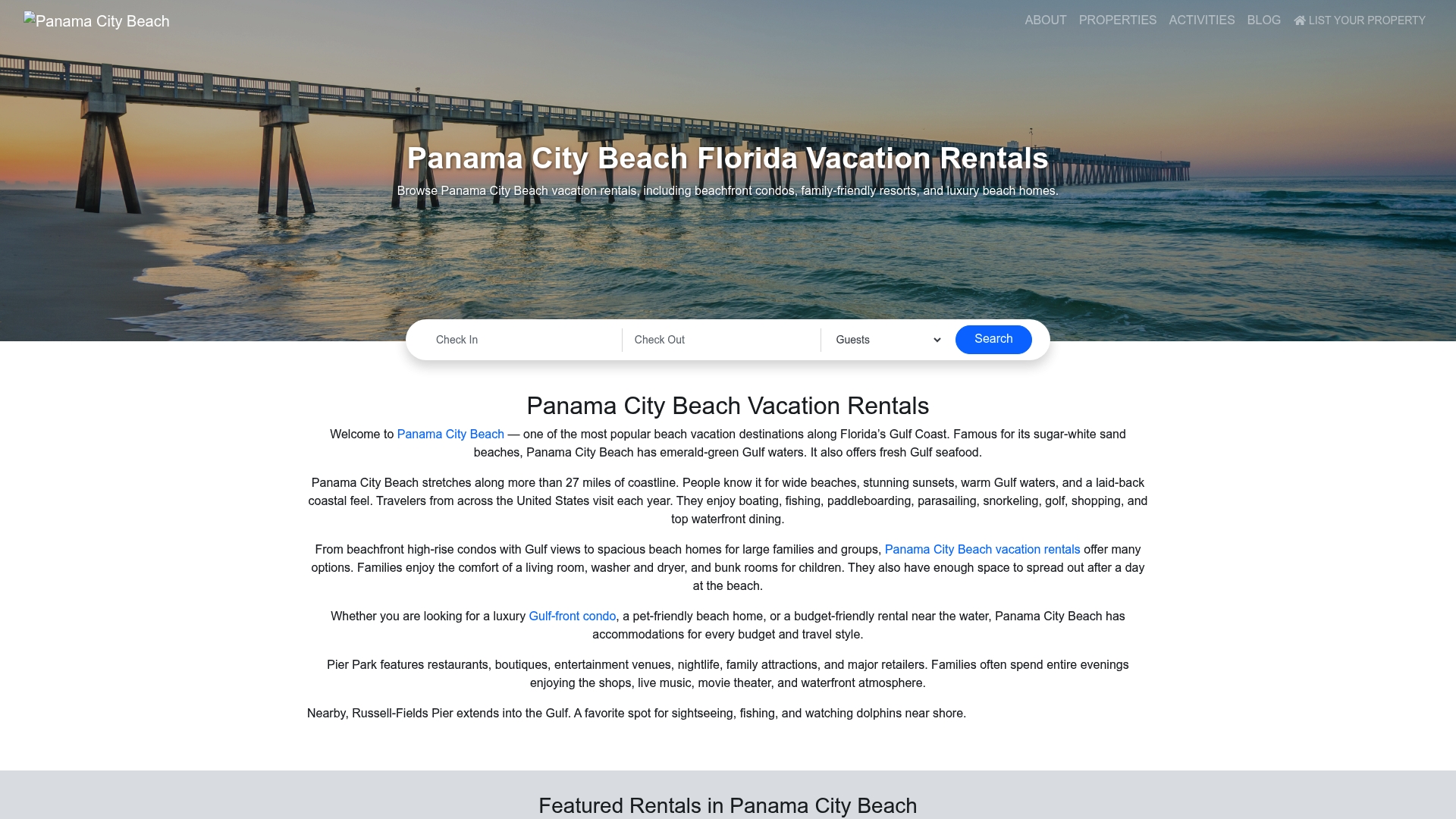
Look for a rental with outdoor storage for rods and coolers, easy parking for early departures, and a short walk or drive to bait shops near St. Andrews or the county piers. Many of the pet-friendly beach homes in the area work well for multi-day fishing trips where you want gear staged and ready rather than packed into a hotel closet. Check available Panama City Beach vacation rentals and match your stay dates to the seasonal run you’re chasing, whether that’s spring cobia or a fall redfish push.
Sources
- Pcbfl
- St. Andrews State Park — park fishing and species — Florida State Parks
- Saltwater shoreline fishing info — FWC
About the Author
Joe Godar of the PanamaCityBeachFlorida.com Editorial Team creates destination guides, vacation-planning resources, and local travel content focused on Panama City Beach, Florida.
Our team researches local beaches, vacation rental trends, family activities, restaurants, attractions, events, and direct-booking best practices. Every guide is created to help travelers plan more confidently, experience the best of Panama City Beach, and avoid unnecessary third-party guest service fees.
PanamaCityBeachFlorida.com is part of the Emerald Coast by Owner marketing family, connecting travelers directly with verified vacation rental hosts throughout the Gulf Coast since 2016.
This article was reviewed for accuracy and updated using local destination research and current Panama City Beach vacation rental market insights.