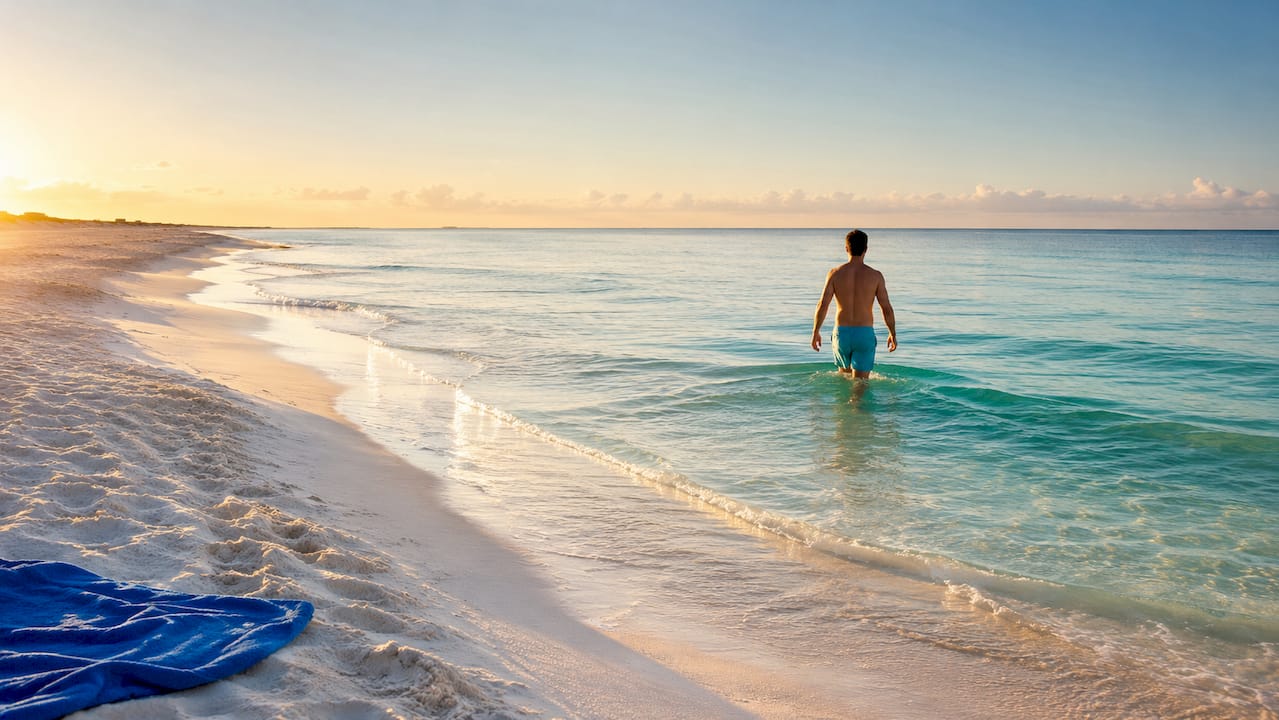
The best months for warm water and thin crowds are April, May, September, and October. Summer (June through August) delivers the hottest air and the most rain, and it overlaps with Atlantic hurricane season, which runs June through November. Winter (December through February) is quiet, mild, and cheap, but the Gulf gets too cold for most swimmers. If you want warm water without the peak-summer price tag, aim for late September or October.
TL;DR:
- The best months for warm water and fewer crowds are April, May, September, and October, with October offering the best value and comfortable swimming conditions.
- Summer months see peak heat, heavy rain, and hurricane activity, making them ideal for those who prioritize traditional summer beach holidays and are prepared for afternoon storms.
- Water temperature reaches a comfortable 70°F in April and remains swimmable through October, with peak warmth in July and August at around 85°F.
- Crowds and prices spike during spring break and July, so early booking is essential if traveling in these peak periods, while September and October offer lower rates with good weather.
- Hurricane season lasts from June 1 to November 30, with peak risk between August and early October, requiring flexible plans, weather tracking, and travel insurance.
Table of Contents
- Panama City Beach Weather by Month: The Full Breakdown
- Which Season Fits Your Trip Best?
- What Should Travelers Know About Hurricane Season?
- When Is the Gulf Warm Enough to Swim?
- How Should You Plan Around Crowds and Pricing?
- Why Trust This Local Weather Breakdown?
- How Humid Does It Get Month to Month?
- How Much Sunshine Can You Expect Each Month?
- What Are the Wind Patterns Like Throughout the Year?
- What Weather-Linked Events Happen Each Month?
- Which Months Would I Actually Book?
- Ready to Book the Right Month for Your Trip?
- Where This Weather Data Comes From
- Sources
- FAQ
Panama City Beach Weather by Month: The Full Breakdown
Here’s how each month actually plays out on the ground, based on 30-year climate normals from the NW Florida Beaches International Airport station. Average highs run from about 63°F in January up to 91°F in July, with lows spanning 42°F to 73°F across the year.
- January: High 63°F, low 46°F, about 4.5 inches of rain. Water hovers near 60°F, too cold for most swimmers. Crowds are thin and rates are the lowest of the year. Good for budget travelers and anyone chasing empty beaches.
- February: High 66°F, low 47°F, similar rainfall to January. Still too cool to swim comfortably, but afternoons are pleasant for walking the shore. Good for a quiet, low-cost getaway.
- March: High 71°F, low 52°F, rain picks up slightly. Water starts warming but spring break crowds arrive in force, especially the back half of the month. Best for nightlife energy, not solitude.
- April: High 77°F, low 58°F. Water climbs toward 70°F by month’s end. Crowds thin out after spring break ends. One of the best all-around months to visit.
- May: High 83°F, low 65°F, rainfall still moderate. Gulf water is comfortably swimmable. Prices creep up as summer approaches but haven’t peaked. Excellent for swimming and family trips before the summer rush.
- June: High 88°F, low 71°F. Afternoon thunderstorms become a daily pattern. Hurricane season is now active. Water is warm and inviting. Great for swimming, but book flexible dates.
- July: High 91°F, low 73°F, and the wettest month of the year alongside August, with monthly rainfall in the 6 to 7 inch range. Beaches are packed with summer vacationers. Best for families set on peak summer, worst for anyone avoiding crowds.
- August: High 90°F, low 73°F, still heavy rain. Humidity peaks. Water is at its warmest of the year. Good for warm-water lovers who don’t mind afternoon storms.
- September: High 87°F, low 69°F, rain starts easing. Crowds drop sharply after Labor Day. Water stays warm. One of the best value months on the calendar.
- October: High 80°F, low 61°F, rainfall tapers further. Water is still swimmable for most visitors. Hurricane risk lingers into early month. A favorite among repeat visitors for the balance of warmth and calm.
- November: High 72°F, low 52°F. Hurricane season closes November 30. Crowds are sparse and rates drop. Good for mild weather without summer prices.
- December: High 65°F, low 45°F, light rainfall. Water is too cold to swim for most people. Holiday weeks bring a small crowd bump. Good for a cozy off-season trip, not a beach-day trip.
If your month lands on a rainy stretch, it’s worth having a backup plan. A rainy-day itinerary with two or three indoor stops keeps a stormy afternoon from wrecking the trip.
Which Season Fits Your Trip Best?
- Winter (December–February): Highs in the low-to-mid 60s, light rainfall, and the thinnest crowds of the year. Fits travelers chasing quiet, budget-friendly weeks who don’t need to swim.
- Spring (March–May): Highs climbing from the low 70s to mid 80s, water warming toward swimmable by April. Spring break packs the beaches in mid to late March, then things calm down. Fits families and swimmers who want warmth without full summer crowds. Check the best time to visit guide for exact windows.
- Summer (June–August): Highs near 90°F, the heaviest rain of the year, and hurricane season fully active. Fits travelers set on peak-summer tradition who accept afternoon storms and top-dollar rates.
- Fall (September–November): Highs easing from the mid 80s to low 70s, rain dropping off fast after Labor Day. Fits value hunters and swimmers who want warm Gulf water at a fraction of summer pricing.
What Should Travelers Know About Hurricane Season?
The Atlantic hurricane season runs officially from June 1 through November 30, with peak activity typically landing between August and early October. That six-month window covers most of the warm-water travel season, so it’s not something you plan around entirely. It’s something you plan for.
Statistic to remember: direct hurricane impacts on any single Panama City Beach trip are infrequent in a given year, but the city’s own guidance treats the season as a preparedness period rather than a reason to cancel travel.
Practical steps worth taking if you’re booking June through November:
- Buy travel insurance that covers weather-related cancellations.
- Book rentals with flexible cancellation or rebooking terms where possible.
- Check the National Weather Service forecast for Panama City Beach in the days before departure.
- Follow local alerts and know your evacuation route before you arrive; the local safety guide walks through what to expect.
Afternoon thunderstorms are a near-daily summer occurrence, but most pass within an hour, leaving sunny mornings and clear evenings on either side.
When Is the Gulf Warm Enough to Swim?
Gulf water temperatures swing from about 60°F in winter to roughly 85°F at the peak of summer, with a comfortable swim window running April through October. Water lags air temperature by several weeks, so the Gulf is still cool in early spring even after air highs hit the 70s, and it stays warm into October well after air temperatures start dropping.
Key figure: water crosses the comfortable swimming threshold, generally accepted as 70°F and above, sometime in April and holds there through October in most years.
- April through June: warming fast, comfortable for most swimmers by late April.
- July through September: peak warmth, no wetsuit needed.
- October: still swimmable, cooling noticeably by month’s end.
- November through March: too cold for casual swimming without a wetsuit.
If you’re booking paddleboard, snorkel, or jet ski excursions, lock in April through October dates for the best water conditions.
How Should You Plan Around Crowds and Pricing?
Peak booking windows fill fastest for spring break weeks and the entire month of July, so reserve those dates three to six months ahead if you want a specific property. September and October offer a genuine value play: warm water, thinner crowds, and lower rates, with only a modest bump in tropical weather risk compared to May or early June.
Packing priorities shift by season:
- Spring and fall: light layers for cool mornings, sun protection for warm afternoons.
- Summer: sun protection, a light rain jacket for afternoon storms, reef-safe sunscreen.
- Winter: a light jacket for breezy evenings, swimsuit optional.
Pro Tip: Book Gulf-front units for October stays if sunrise views matter to you. Storm season winds down but the water’s still warm enough for a swim before breakfast.
Why Trust This Local Weather Breakdown?
Panamacitybeachflorida covers all 27 miles of this coastline, from the quiet west end to the busier stretches near the pier, and our seasonal guides draw on the same climate normals and hurricane-season data cited throughout this piece. Our vacation rental marketplace lets you search by month, so you can match your dates to the weather window that fits your trip instead of guessing.
How Humid Does It Get Month to Month?
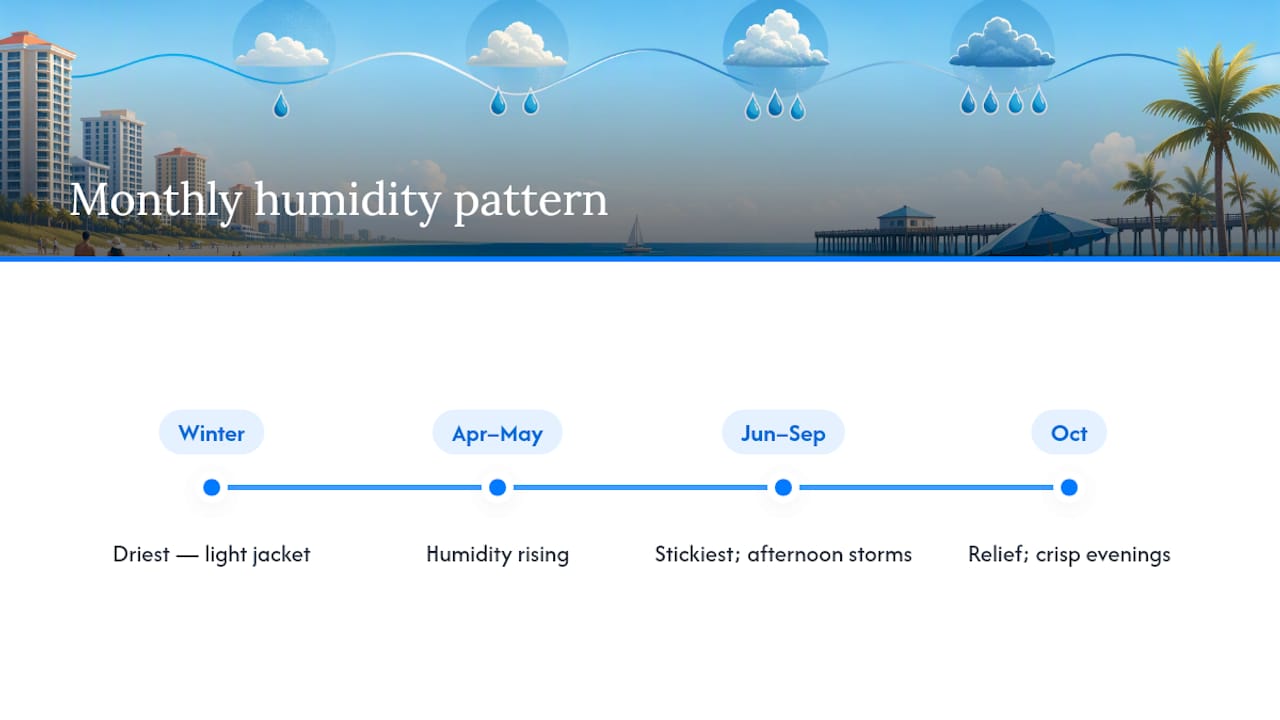
Humidity in Panama City Beach tracks closely with the rainfall pattern. Winter months feel the driest, with humidity often comfortable enough that mornings and evenings call for nothing more than a light jacket. By April and May, humidity starts climbing as Gulf moisture builds ahead of summer.
June through September bring the year’s stickiest air. Combined with highs near 90°F, the afternoon humidity is what fuels the daily thunderstorm cycle. Mornings tend to feel manageable; by early afternoon, the air thickens noticeably, which is usually your cue that a storm is close behind. Locals plan beach time for before 1 p.m. during these months for exactly this reason.
Fall brings relief starting in late September. Humidity drops alongside rainfall, and by October evenings can feel almost crisp compared to August. This is part of why October ranks as a favorite among repeat visitors. You get the warm Gulf water without the oppressive afternoon air.
Packing-wise, humidity matters more than the thermometer suggests. A 90°F day in July with high humidity feels considerably hotter than a dry 90°F day would elsewhere, so breathable fabrics and hydration matter more than heavy sun gear alone during peak summer weeks.
How Much Sunshine Can You Expect Each Month?
Panama City Beach averages roughly 320 sunny days a year, which is part of why so many months work for a beach trip, not just the summer peak. Winter days are shorter, with daylight running from around 6:45 a.m. to 5:45 p.m. in December and January, but clear skies are common between weather systems.
Spring and fall bring the classic sweet spot: longer daylight hours than winter, without the oppressive midday heat of July and August. By May, daylight stretches past 13 hours, and mornings are usually clear before any afternoon buildup.
Summer offers the longest days of the year, with daylight running close to 14 hours in June, but sunshine hours get interrupted by the daily storm cycle. You’ll typically get sunny mornings and early afternoons, then cloud cover and rain before skies clear again by evening. That pattern actually makes for some of the best sunset viewing of the year, since storms clear out and leave dramatic skies behind.
What Are the Wind Patterns Like Throughout the Year?
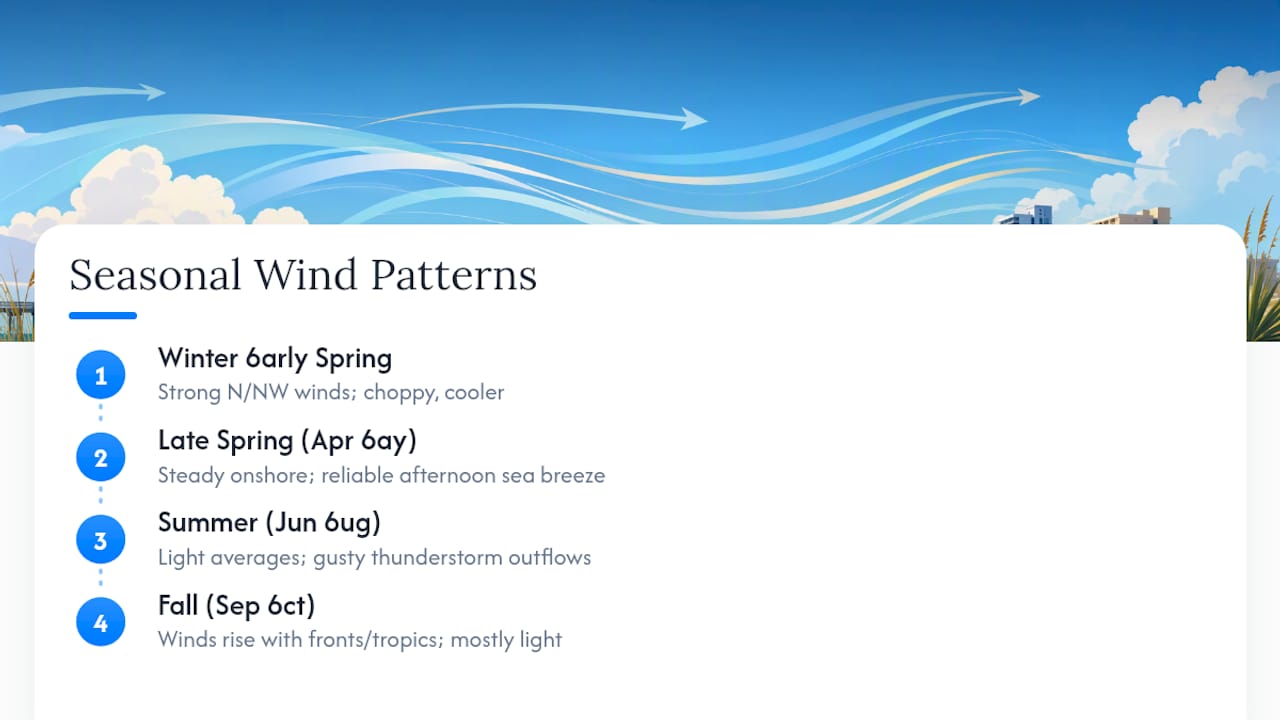
Wind along this stretch of the Gulf Coast shifts with the seasons in ways that matter if you’re planning boating, parasailing, or beach days. Winter and early spring bring the strongest sustained winds, often out of the north or northwest, which can make the water choppier and the air feel cooler than the thermometer suggests.
By late spring, winds shift toward a steadier onshore breeze off the Gulf, which is part of what makes April and May pleasant for beach lounging. Afternoon sea breezes pick up reliably, cooling the sand without stirring up rough surf.
Summer brings lighter average winds punctuated by the gusty outflow ahead of afternoon thunderstorms. Those storm-driven gusts can arrive fast and strong, then die down just as quickly once the rain passes. Anyone renting a boat or booking a parasail excursion in June through August should build a flexible morning-only window into their plans.
Fall winds pick back up again, especially once a passing cold front or tropical system moves through, which is part of the tropical risk that lingers into October. Most days, though, the breeze stays light enough for paddleboarding and calm-water activities, which is another reason fall ranks so highly for outdoor plans.
What Weather-Linked Events Happen Each Month?
Weather shapes the event calendar here almost as much as it shapes the beach days. March brings spring break, and with it the warmest early-season temperatures paired with the year’s biggest crowd surge, packed beaches, and lively nightlife.
Summer months host most of the fireworks and outdoor festival lineup, timed around the warmest, longest days of the year. July 4th weekend draws some of the biggest beach crowds outside of spring break, taking full advantage of the warm water and long daylight hours.
Fall brings a different rhythm. October and November often host seafood festivals and outdoor markets, scheduled deliberately around the cooler, drier stretch after hurricane season’s peak activity winds down. Cooler evenings make outdoor dining and live music events far more comfortable than a July equivalent would be.
Winter’s event calendar leans smaller and more local, with holiday lighting displays and New Year’s beach gatherings taking advantage of mild (if not warm) December temperatures. For a full rundown of what’s scheduled each month, the seasonal events calendar breaks down dates well ahead of booking season.
Which Months Would I Actually Book?
For a family beach trip built around swimming, I’d point people toward late April through May, or September into early October. Both windows give you warm water and shorter lines without summer’s price tag or its daily storm routine.
For a budget escape where swimming doesn’t matter, January or February wins easily. Rates bottom out and the beaches empty, even if a jacket stays on past sundown.
For an event-focused stay, March delivers the energy of spring break, while October pairs cooler evenings with seafood festivals and calmer crowds. One nuance worth knowing locally: the first two weeks of October still carry some tropical risk, so I’d lean toward the back half of the month if flexibility matters to you.
— Joe
Ready to Book the Right Month for Your Trip?
You can search vacation rentals by exact months to find properties available during the recommended travel windows instead of calling around to check availability. That’s the advantage over guessing from a booking site’s generic search filters: you can browse beachfront condos and homes by month and see real pricing for the warm-water, low-crowd windows like late April or September.
Peak months like July and spring break weeks book out three to six months ahead, so if your travel dates fall in those windows, reserve early. If you’re flexible, September and October rentals often have more availability and better rates the closer you get, since demand is lower even though the weather still delivers. Start your search on the vacation rentals page and filter by your travel month to see what’s actually open.
Where This Weather Data Comes From
The month-by-month figures in this guide come from 30-year climate normals published by GeoStat.org, covering average highs, lows, and precipitation from 1991 through 2020. Hurricane season dates and local preparedness guidance come directly from the City of Panama City’s official hurricane information page. For live conditions before or during a trip, check the NWS forecast point for Panama City Beach. Seasonal travel recommendations draw on U.S. News Travel’s guide to the best times to visit.
Sources
- Geostat
- Hurricane Information | Panama City, FL - Official Website
- National Weather Service Forecast for Panama City Beach, FL
- Best Times to Visit Panama City Beach | U.S. News Travel
Recommended
- Best Time to Visit Panama City Beach, Florida
- Panama City Beach Water Temperature: Your Swim Guide
- Panama City Beach vs Gulf Shores: Which Is Right for You?
- Panama City Beach Events 2026: The Complete Season Calendar

About the Author
Joe Godar of the PanamaCityBeachFlorida.com Editorial Team creates destination guides, vacation-planning resources, and local travel content focused on Panama City Beach, Florida.
Our team researches local beaches, vacation rental trends, family activities, restaurants, attractions, events, and direct-booking best practices. Every guide is created to help travelers plan more confidently, experience the best of Panama City Beach, and avoid unnecessary third-party guest service fees.
PanamaCityBeachFlorida.com is part of the Emerald Coast by Owner marketing family, connecting travelers directly with verified vacation rental hosts throughout the Gulf Coast since 2016.
This article was reviewed for accuracy and updated using local destination research and current Panama City Beach vacation rental market insights.