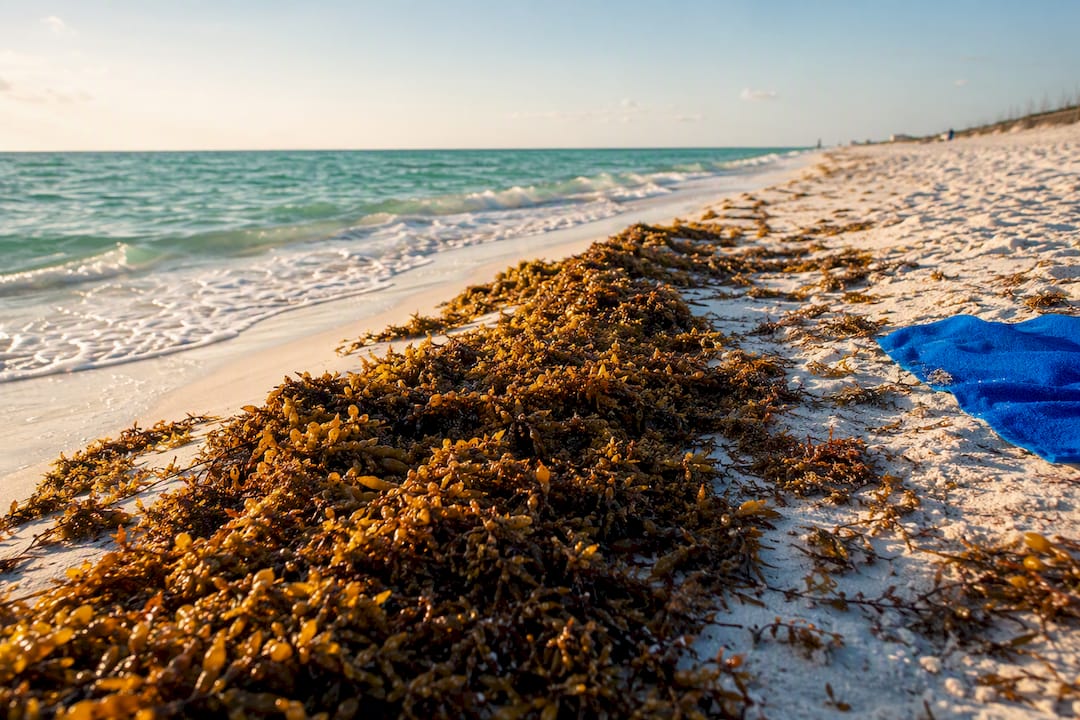
Yes, Panama City Beach does see seaweed, mostly sargassum, washing ashore during warmer months, but it’s not a health hazard for the vast majority of beachgoers. It comes and goes with wind and current, so one stretch of sand might be clear while another a mile down has patches. If you have asthma or respiratory sensitivities, take a few precautions, and if a beach access looks heavy with seaweed, walk to another one or check conditions before you head out.
TL;DR:
- Seaweed presence in Panama City Beach varies daily, influenced by wind, currents, and water temperature, requiring close condition checks before trips.
- The peak sargassum season runs from late May through September, with patchy and unpredictable beach coverage even during peak months.
- Checks of local news, municipal alerts, and NOAA risk maps before early mornings provide the best chances to find clear, seaweed-free sand.
- Handling sargassum involves avoiding swimming through dense patches, steering clear of decomposing piles with strong odors, and rotating beach access points.
- Local cleanup efforts depend on contractor schedules, beach usage, and environmental restrictions, with accommodations near maintained accesses reducing your beach-day risks.
Table of Contents
- What Is Sargassum, and Why Does It Show Up on Gulf Beaches?
- Is There Seaweed at Panama City Beach Right Now?
- What Seaweed Means for Your Beach Day (And What to Do About It)
- How Panama City Beach Cleans Up Seaweed
- Planning Your Trip Around Seaweed Season
- Health and Safety Guidance You Should Actually Follow
- Where to Check Conditions Before You Go
- A Local’s Honest Take on Seaweed and Beach Days
- Choosing a Rental That Keeps Seaweed From Ruining Your Stay
- Sources
- FAQ
What Is Sargassum, and Why Does It Show Up on Gulf Beaches?
Sargassum is a free-floating brown macroalgae that lives its whole life on the open water, never attaching to the seafloor. It stays buoyant thanks to tiny gas-filled bladders along its stems, which is why it forms visible mats on the surface instead of sinking. Much of the sargassum that reaches Florida’s Gulf Coast originates from the Great Atlantic Sargassum Belt, a massive band of algae that stretches across the Atlantic and occasionally gets pushed into the Gulf of Mexico by currents.
Whether it lands on Panama City Beach in any given week depends on a few moving parts:
- Wind direction and strength, which can push mats toward shore or keep them offshore
- Gulf current patterns, which shift the belt’s reach seasonally
- Water temperature, since warmer months tend to correlate with more algae growth and movement
Because those factors change day to day, NOAA’s satellite monitoring only offers reliable short-term forecasts, not season-long predictions. That’s why the smartest approach for travelers is checking conditions close to your trip dates rather than trying to plan around a forecast made months out.
Is There Seaweed at Panama City Beach Right Now?
Sargassum season on the Florida Gulf Coast typically runs from late May through September, with the heaviest arrivals often clustering in midsummer. Even within that window, though, presence is patchy. One access point might have a thick brown ribbon along the tide line while a beach half a mile away looks clean.
A few ways to get a real-time read before you pack the car:
- Check the Panama City Beach municipal news page for cleanup notices and active seaweed alerts
- Search recent local news coverage, since outlets like the News Herald often report on seasonal “June grass” arrivals
- Look at NOAA’s risk map for a broader sense of where mats are drifting
Morning is usually your best window for finding clear sand. Overnight tides can bring in new seaweed, but city crews and contractors typically start raking early, so a walk along a few different access points before 9 a.m. often turns up better conditions than checking mid-afternoon.
What Seaweed Means for Your Beach Day (And What to Do About It)
Finding sargassum on your stretch of sand doesn’t have to derail your day. Here’s how to handle it:
- Skip swimming through dense mats. Thick floating seaweed can hide debris and make it harder to see the bottom, so wade or swim beyond the mats rather than through them.
- Watch the smell test. Fresh sargassum barely smells at all, but piles that have been sitting for about 48 hours can start releasing a rotten-egg odor as they break down. If a section smells strong, move down the beach.
- Have a backup plan. If your usual access point looks rough, try a different beach entrance, book a boat excursion into St. Andrew Bay, or spend a few hours at one of the area’s parks or attractions instead.
None of this means your whole trip is at risk. Sargassum patches shift daily, and a beach that’s covered on Tuesday can look completely different by Thursday.
How Panama City Beach Cleans Up Seaweed
Local crews don’t just let sargassum pile up. The city coordinates removal efforts with Sea Turtle Watch and Beach Police, since raking has to work around active turtle nests during nesting season, according to the city’s official cleanup notices.
Here’s how the cleanup system generally works:
- Contractors hired through the Tourist Development Council maintain a regular raking schedule during peak season, focusing on high-traffic public access points. Timing and frequency depend on how much seaweed washes in on a given week, so arrivals can lead to adjustments in cleanup frequency.
- Disposal follows guidance from the Florida Fish and Wildlife Conservation Commission, which coordinates with municipalities on options like integrating small amounts into dunes, composting, or hauling larger volumes to landfills
Pro Tip: If you’re picking a beach access for the day, look for ones near hotels, condo towers, or public parking. Those tend to get prioritized in raking schedules simply because more people use them.
Planning Your Trip Around Seaweed Season
A little flexibility goes a long way if you’re visiting during peak sargassum months. Consider these adjustments when booking and planning your days:
- Choose accommodations with air conditioning and windows that seal well, especially if you’re sensitive to odors from decomposing seaweed nearby
- Build a couple of “flex” mornings into your itinerary so you can check a few different beach accesses before settling in for the day
- Add at least one water activity that doesn’t depend on shoreline conditions, like a boat trip or paddleboard rental in calmer bay waters, so a rough beach day doesn’t feel like a wasted one
- Keep an eye on the best time to visit Panama City Beach if your dates are still flexible, since shoulder-season trips often mean lighter seaweed and fewer crowds
None of this requires major changes to a typical vacation. It’s mostly about building in small buffers so one seaweed-heavy morning doesn’t set the tone for your whole stay.
Health and Safety Guidance You Should Actually Follow
For most people, walking on a beach with sargassum present carries no real health risk. The Florida Department of Health states that open-air exposure generally doesn’t cause adverse health effects for the general public, though decomposing sargassum can release hydrogen sulfide, the gas responsible for that rotten-egg smell.
Some practical precautions worth following:
- If you have asthma or another respiratory condition, limit time near large, older piles that have started decomposing
- Avoid touching sargassum directly, since it can irritate skin, and supervise kids who might want to play in it
- Workers or volunteers handling large volumes should wear gloves, boots, and, in heavy accumulation events, respiratory protection
Large sargassum inundation events can release enough hydrogen sulfide and ammonia to affect nearby communities and complicate cleanup, according to the EPA, which also notes that removal options remain limited and costly at scale.
Panama City Beach hasn’t experienced the kind of massive inundation events that have hit parts of the Caribbean, but the same underlying chemistry applies here on a smaller scale. If you want more general beach safety context before your trip, this Panama City Beach safety guide covers precautions beyond just seaweed.
Where to Check Conditions Before You Go
Three sources do most of the heavy lifting for tracking seaweed patterns along the Gulf Coast. NOAA’s satellite program tracks sargassum movement across the Atlantic and Gulf and updates its risk maps regularly, giving you a broader sense of where mats are drifting. The Florida Department of Health maintains a factsheet explaining the health effects and standard precautions tied to sargassum exposure.
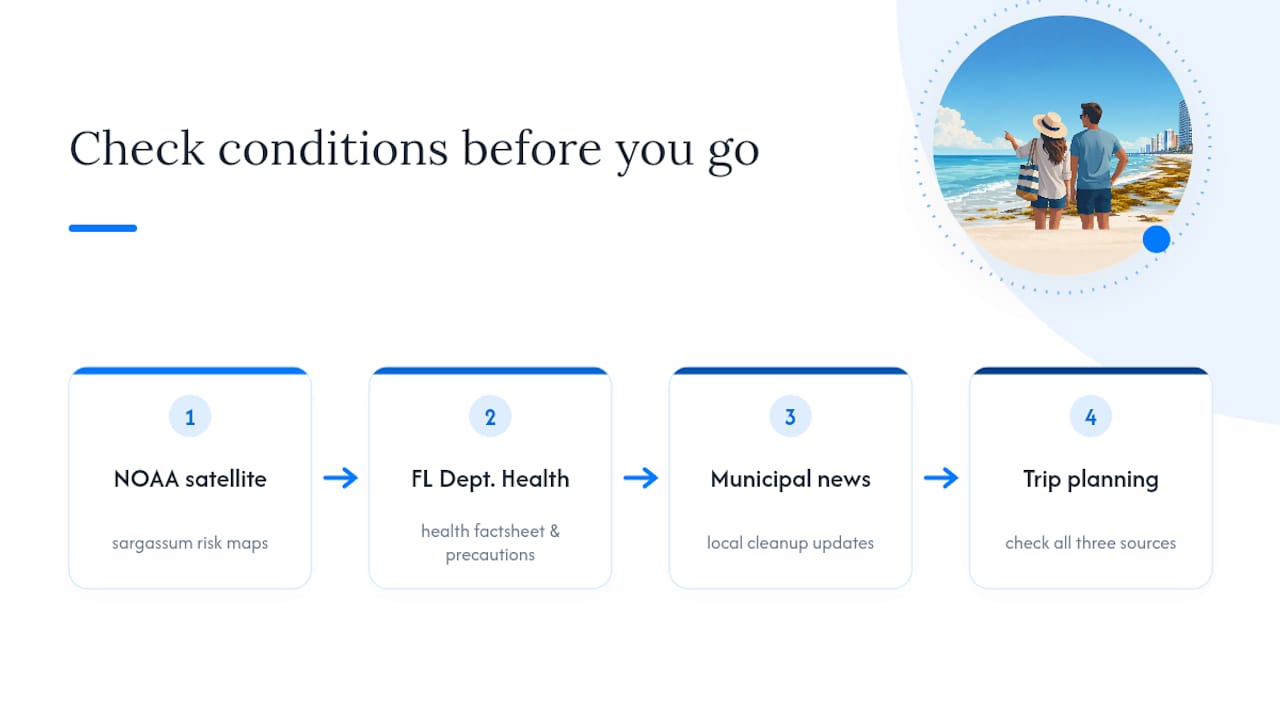
The municipal news page posts updates when cleanup crews are actively working a stretch of shoreline, which is often the fastest way to know whether a specific beach access has been addressed recently. Checking these three sources together, rather than relying on outdated blog posts or old photos, gives you the clearest picture of what to expect.
A Local’s Honest Take on Seaweed and Beach Days
Sargassum gets a bad reputation it doesn’t fully deserve. It’s a natural part of the Gulf ecosystem, providing habitat for small fish and even nesting material that indirectly supports sea turtle populations. The nuisance factor is real on a bad day, but it’s not evidence that something’s wrong with the beach.
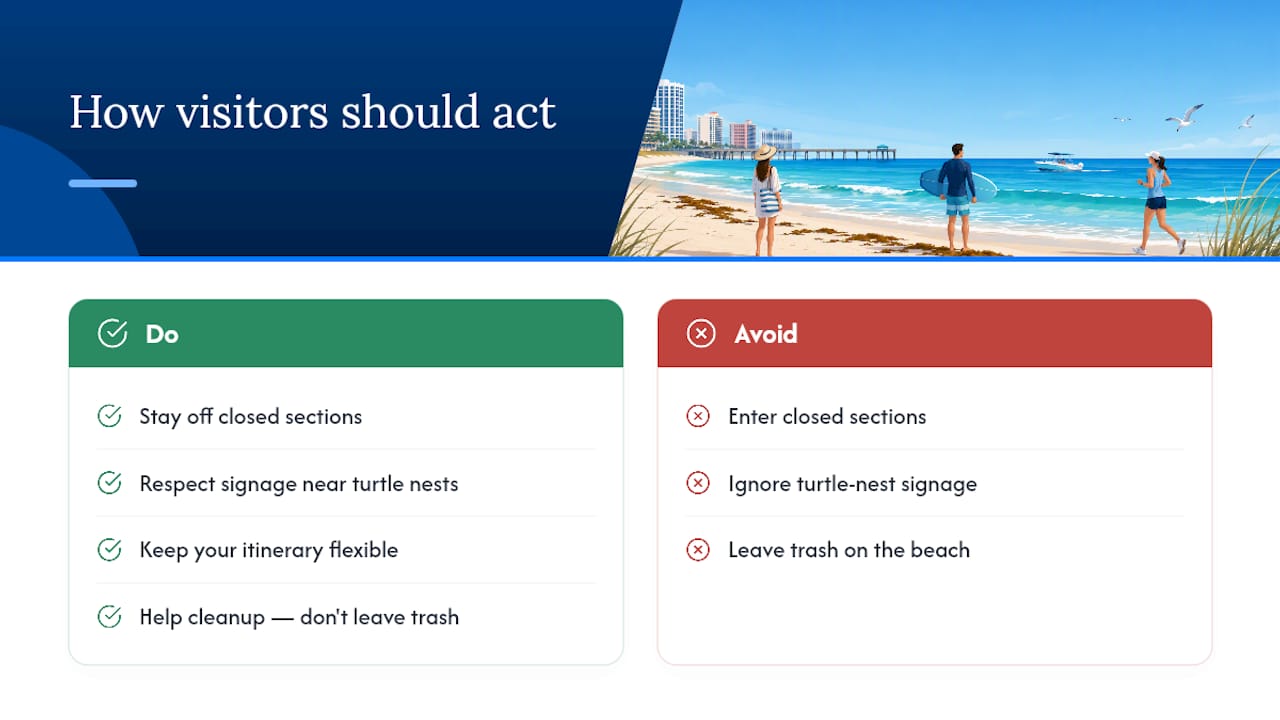
What actually matters is behavior on both sides. Local crews keep working through the season, and visitors help by staying off closed sections, respecting signage near turtle nests, and not leaving trash that makes cleanup harder. If you build a little flexibility into your itinerary, a seaweed patch on one stretch of sand becomes a minor detour, not a ruined vacation.
— Joe
Choosing a Rental That Keeps Seaweed From Ruining Your Stay
Where you stay matters almost as much as when you visit. A beachfront condo with a balcony set back from the tide line, or a property near one of the more consistently maintained public accesses, puts you closer to sand that’s actually been raked recently rather than a stretch that gets skipped.
The platform connects visitors with property owners across the coast, allowing filtering for places with enclosed, air-conditioned living spaces, proximity to well-maintained beach accesses, or quick access to boat rentals for alternative activities. Browse Panama City Beach vacation rentals and look for listings that mention their distance to public accesses, or explore things to do in Panama City Beach to line up a backup plan for any day the shoreline looks rough. Booking flexible dates gives you room to shift a beach day by 24 hours if a heavier seaweed window rolls through, and checking availability now means you’re not scrambling once you’ve already committed to travel dates.
This article is general information, not a substitute for advice from a qualified doctor. Consult a qualified healthcare professional about your own circumstances before acting on anything here.
Sources
- Sargassum seaweed — St. Johns County Florida Department of Health
- Sargassum: from sea to shore — NOAA
- Seaweed Cleanup in Panama City Beach — Panama City Beach official site (News Flash)
- Sargassum inundation events (SIEs) — EPA
Recommended
- Panama City Beach Safety: What Illinois Travelers Should Know
- Your Guide to Getting Around Panama City Beach
- Panama City Beach Flag Colors: What Each One Means
- 10 Best Things To Do in Panama City Beach Florida

About the Author
Joe Godar of the PanamaCityBeachFlorida.com Editorial Team creates destination guides, vacation-planning resources, and local travel content focused on Panama City Beach, Florida.
Our team researches local beaches, vacation rental trends, family activities, restaurants, attractions, events, and direct-booking best practices. Every guide is created to help travelers plan more confidently, experience the best of Panama City Beach, and avoid unnecessary third-party guest service fees.
PanamaCityBeachFlorida.com is part of the Emerald Coast by Owner marketing family, connecting travelers directly with verified vacation rental hosts throughout the Gulf Coast since 2016.
This article was reviewed for accuracy and updated using local destination research and current Panama City Beach vacation rental market insights.