
Yes, many Panama City Beach condo communities require wristbands to access private pools, beach areas, and tram service. Confirm your property’s exact policy before you leave Alabama, and bring photo ID plus your executed rental contract to check-in. Rules vary by building: Seacrest Beach’s community rules offer a solid example of what to expect.
TL;DR:
- Policies vary by building; confirm the age cutoff, occupancy cap, validity window, replacement fee, and guest services hours with your manager before booking.
- At Seacrest Beach, guests aged eight and older need bands; weekly passes run Saturday through the following Sunday, and replacements cost $20.
- Bring government photo ID and your executed rental contract or booking confirmation; guest services staff usually issue bands, while late arrivals should call security.
- Even with correct paperwork, an owner’s overdue HOA assessments can block wristband access, so ask the manager about account standing if issuance is denied.
Table of Contents
- What wristbands are and why condo communities use them
- Common condo and HOA wristband policy elements you should expect
- How to secure wristbands on arrival, step by step
- Enforcement: what staff and security may do if rules aren’t followed
- Alabama traveler checklist: pre-departure and arrival tips
- Why confirming wristband rules before you book matters
- Book your condo and confirm wristband policy before you travel
- FAQ
- Sources
What wristbands are and why condo communities use them
A condo wristband is a physical band, usually color-coded, that identifies you as an authorized guest or owner at a specific property. It grants entry to amenities that would otherwise be open to anyone walking off the beach: pools, private beach access points, and tram or shuttle service between buildings. Most communities treat wristbands as the simplest way to separate paying guests from the general public without staffing every gate.
Guest services staff, front desk teams, or HOA personnel typically issue wristbands at check-in, following a system similar to a bell desk ticket explained that helps track guest access. They usually check your photo ID against the reservation before handing them over.
Communities adopt these systems for a few practical reasons:
- Protecting owners’ and residents’ access to amenities they pay HOA dues to maintain
- Controlling how many people use a pool or beach area at once, since most pools have posted capacity limits
- Reducing the chance of outside visitors using private amenities without authorization
Panama City Beach stretches across more than 27 miles of Gulf Coast shoreline, and much of that coastline sits behind private condo associations. That density of beachfront buildings is exactly why wristband systems are so common here.
Common condo and HOA wristband policy elements you should expect
Wristband policies differ from one building to the next, but several elements show up again and again. Seacrest Beach’s community rules illustrate the pattern well, and checking for these same items with your own property manager will save you a headache at check-in.
- Age rules: Seacrest requires members and guests aged eight and older to wear a valid wristband to use the lagoon pool, private beach access, and tram service.
- Check-in requirements: you may need to present valid identification and your executed rental contract before staff will issue bands.
- Occupancy limits: the number of wristbands issued is typically capped at the number of occupants listed in your contract, minus anyone under age eight.
- Validity windows: Seacrest’s guest wristbands run Saturday through the following Sunday, with colors changing weekly.
- Renewal for longer stays: guests staying more than a week need to contact guest services the Sunday before the week rolls over to get bands valid for the next stretch.
Replacement wristbands at Seacrest Beach cost $20, according to the community rules, and bands there are non-transferable. That single detail is worth remembering, since a lost band for a family of four can add up fast if everyone misplaces one.
A few less obvious triggers can also block issuance. If the unit owner is behind on HOA assessments, some associations will withhold wristbands for that unit’s renters until the account is current, a detail worth asking about if you booked directly from an owner rather than a managed resort.

How to secure wristbands on arrival, step by step
Getting your wristbands quickly comes down to preparation. Here’s a simple routine that works for most Panama City Beach condo stays:
- Before you leave Alabama, contact your property manager or owner to confirm the building’s wristband policy and guest services hours.
- Pack a government photo ID for every adult in your group, plus a printed or digital copy of your executed rental contract or booking confirmation.
- On arrival, check in with guest services first, since that’s typically where wristbands get issued, not the unit itself.
- If you’re arriving after guest services closes, call the property’s security line rather than waiting until morning. Seacrest’s policy specifically directs late arrivals to contact security.
- For stays longer than one week, mark your calendar to renew wristbands the Sunday before the week changes over, since colors and validity reset weekly at communities like Seacrest.
- If a wristband gets lost mid-stay, contact guest services right away, expect to pay a replacement fee, and show your photo-on-wrist if the property offers that option.
Pro Tip: Call guest services the same week you book, not the week you travel, so you know the exact check-in window before you’re driving down I-65 with a car full of beach gear.
Properties with self check-in arrangements handle this differently, so confirm whether your unit has staffed guest services or a self-service process before you plan your arrival time.
Enforcement: what staff and security may do if rules aren’t followed
Condo associations generally have the authority to enforce wristband rules, and most take it seriously because unauthorized amenity use affects every paying guest and owner in the building.
Expect these outcomes if wristband rules are ignored:
- Denied access to the pool, private beach area, or tram, even if you’re a legitimate guest without proof
- Confiscation of the wristband itself, which Seacrest’s rules specifically allow for violations
- Suspension of amenity privileges for the remainder of your stay in more serious cases
- Fines assessed to the unit owner, which can affect future bookings at that property
Staff and security typically request ID and wristband verification at pool gates, beach access points, and tram stops, especially during busy weeks. It’s standard practice, not a sign you’ve done anything wrong.
One enforcement trigger that catches renters off guard involves the owner’s account standing. If a unit owner is delinquent on HOA assessments, the association may restrict that unit’s wristband privileges regardless of whether the renter has done everything correctly. If you run into an access problem that seems unrelated to your own paperwork, that’s worth asking about directly.
If a dispute comes up, start with guest services on-site, since they handle most day-to-day wristband issues. If that doesn’t resolve things, your property manager is the next call, and the HOA office is the final escalation point for policy-level disagreements.
Alabama traveler checklist: pre-departure and arrival tips
A little prep work before you leave home goes a long way toward a smooth check-in.
- Confirm the wristband policy and guest services hours directly with your property manager before you travel.
- Save guest services and security phone numbers in your phone, along with photo IDs and your booking confirmation.
- Take a photo of your wristbands once you get them, so replacement is faster if one gets lost.
- Budget a little extra for possible replacement fees, and keep your group within the occupancy limit on your contract.
- If you expect a late arrival or have a special circumstance, mention it to your property manager ahead of time.
Pro Tip: Screenshot your rental confirmation and save it offline. Gulf Coast cell service near the water can be spotty right when you need to show it.
Why confirming wristband rules before you book matters
The biggest misconception we see among Alabama travelers is that wristband rules are universal across Panama City Beach. They’re not. Every condo association sets its own age cutoffs, validity windows, and replacement fees, and a policy that applies at one resort can be completely different two buildings down the beach.
That variation is actually the useful part, once you know to ask about it. A traveler who confirms wristband details before booking avoids the single most common check-in frustration we hear about: arriving tired after a drive from Alabama only to learn guest services closed an hour ago. The fix isn’t complicated. It just requires asking the right question at the right time, before you’ve committed to a property.
We’d rather see travelers treat wristband policy like check-in time or pet fees: a detail you confirm during booking, not something you discover at the front desk.
— Joe
Book your condo and confirm wristband policy before you travel
Our listings include property details and contact information, so you can inquire about wristband rules, guest services hours, and replacement fees before you travel. Direct contact with the person managing your unit usually gets you a faster, more specific answer than a general resort hotline.
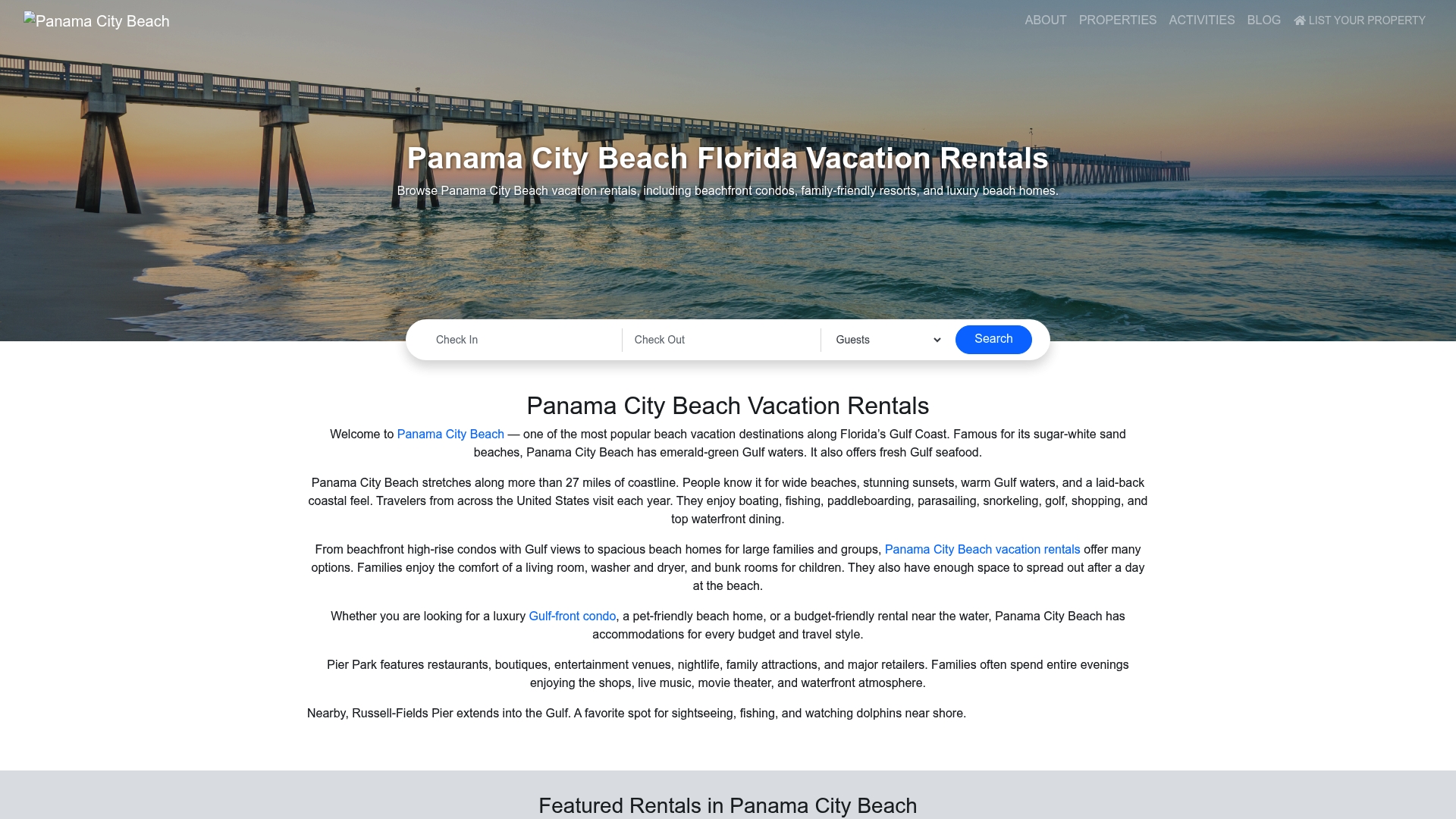
Browse our Panama City Beach vacation rentals to compare beachfront condos, Gulf-front homes, and family-friendly units, and reach out to the listed contact with your wristband questions as part of booking.
| What to ask before booking | Why it matters |
|---|---|
| Wristband age cutoff | Determines which family members need one |
| Guest services hours | Affects your arrival timing |
| Replacement fee amount | Helps you budget for the stay |
| Validity window (weekly or otherwise) | Matters for multi-week trips |
Find a condo or beach house that fits your group, and get your wristband questions answered before you pack the car.
Recommended
- List of Condos in Panama City Beach: 2026 Guide
- Cheap Condos in Panama City Beach, FL: 2026 Guide
- Panama City Beach Condo Rentals: Your 2026 Guide

About the Author
Joe Godar of the PanamaCityBeachFlorida.com Editorial Team creates destination guides, vacation-planning resources, and local travel content focused on Panama City Beach, Florida.
Our team researches local beaches, vacation rental trends, family activities, restaurants, attractions, events, and direct-booking best practices. Every guide is created to help travelers plan more confidently, experience the best of Panama City Beach, and avoid unnecessary third-party guest service fees.
PanamaCityBeachFlorida.com is part of the Emerald Coast by Owner marketing family, connecting travelers directly with verified vacation rental hosts throughout the Gulf Coast since 2016.
This article was reviewed for accuracy and updated using local destination research and current Panama City Beach vacation rental market insights.